Showing posts with label lawn care tulsa. Show all posts

Thursday, February 26, 2015

Take The Hassle Out of Lawn Care With Tulsa's Oklahoma Landscape

Spring will be here in no time, and the Tulsa lawn care season will begin. If you’re searching for a lawn care company in Tulsa, why should you choose Oklahoma Landscape? Well, simply because we are your single source solution for all your lawn care, outdoor environment, and landscape design needs.
Why deal with the hassle of multiple contractors? We can take the hassle and labor out of Tulsa lawn maintenance and lawn care tulsalandscape design so that you can “find yourself outside” stress-free this year and enjoy to the full your landscape investment. We offer both residential and commercial lawn maintenance and landscaping.
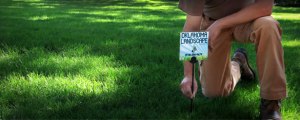
At Oklahoma Landscape, we offer, not just lawn mowing and weed control, but complete estate maintenance to keep your property looking its best all year. From turf care, including lawn fertilization,weed control, aeration, and overseeding, to shrub and ornamental tree care, specialty pruning, flowerbed planting including low maintenance color beds, replacement or updating of existing plant material and addition of seasonal color, we offer comprehensive landscape maintenance for your property.
We provide landscape upgrades, clean-out, and renovation, metal/stone edging installation, snow/ice control and removal, leaf removal, mulching, and of course, weekly lawn mowing, edging, trimming, and debris cleanup.
Have you wondered when to prune your shrubs or trees? Our crews are well-trained in plant care and will ensure that specialty pruning is performed at the proper time of the year for each particular plant, shrub, and tree.
Our professional and courteous Tulsa lawn care crews will always visit your home in uniform so that you have no doubt who is at your home and always leave your property clean and well cared for. Feel more secure knowing just one company is taking care of all your outdoor maintenance needs.
Although we provide routine lawn care and maintenance in Tulsa, we also provide complete outdoor environment design and build services. We can custom design all types of outdoor living enhancements including outdoor kitchens, custom pools, outdoor fireplaces and fire pits, pergolas, gazebos, driveways, walkways, pavers, and much more. Think of your landscape as another room you can enjoy and live in. These outdoor living spaces really can extend the boundaries of your home, creating areas to elegantly entertain family and friends or just enjoy an evening at home. 
We also provide outdoor lighting design and installation as well as complete irrigation system design, installation, and maintenance.
Don’t spend all your time this year trying to keep up with lawn maintenance or trying to fix an overgrown, weedy flowerbed. Let us take care of everything. As your one-stop-shop Tulsa lawn care professionals, we can keep your lawn looking lush and vibrant and take all the hassle out of lawn maintenance.
Call us today to find out more about our complete residential and commercial estate lawn maintenance programs and other landscape design and build services.

Sunday, September 7, 2014

Tulsa Lawn Care Tips - Getting Ready For Fall

With fall approaching here in Oklahoma, you may be thinking that this year's Tulsa lawn care days are almost over. It may be true that you won’t have to mow the lawn as much now, but there are some necessary fall Tulsa lawn care items you may need to still need to handle to get your lawn prepared for winter.

fall tulsa lawn care
It's important to take care of your lawn in the fall as it will help to ensure that you'll have a vibrant and healthy lawn in the springtime. Here is a few fall lawn care tips to help you get started.

Lawn Fertilization

Likely the heat of summer has taken a toll on your lawn, so fall is a good time to replenish nutrients in the soil with a slow-release fertilizer. This lawn fertilization in the fall will build the underground root system so that the roots are stronger and the grass recovers faster from drought and heat. This lawn fertilization for your Tulsa lawn will also help the soil to have the nutrients it needs to be strong in the spring. It’s ideal to fertilize your lawn four-to-six weeks before the first frost is due to occur.

Overseeding Tulsa Lawns

Often a lawn can start looking a little thin and worn-out, which can happen because of summer’s heat and just the passing of time. Overseeding in the fall will help it to be lush again. Overseeding or seeding your lawn with a new layer of cool-season grass over existing turf will fill in any thin or bare spots and help your lawn be more resilient to diseases and weeds.

Fall is a great time to overseed your lawn because the soil is still warm enough for the seeds to germinate, and yet the air is cool enough to prevent weeds from cropping up. There are many other reasons why fall is often the best time for overseeding.

 Lawn Aeration

tulsa lawn maintenance
Before overseeding your lawn, you might need to aerate the soil, which involves removing small core patches of dirt, thatch, grass, and if the soil is compacted aerating the lawn will help the soil and roots get more water, oxygen, and nutrients. This will help the roots of the new grass seeds to grow strong and healthy.

Some wonder if they need to rake all the leaves in their yard. Commonly, if the leaf coverage is covering the lawn so much that the grass can’t be seen, then the leaves need to be raked because they can prevent air and sunlight from reaching the grass. Thus, it’s best not to wait until all the leaves have fallen before you begin raking. A light layer of mulched leaves applied later in the season can provide the lawn with nutrients and protect it from colder weather. However, if the mulch is too thick or gets too moist before it decomposes, it can begin to choke out the grass or cause lawn disease.

Watering

Even with the weather getting colder, your Tulsa lawn will still need regular irrigation in the drought conditions. While the ground temperatures are above freezing, lawns can have infrequent, deep watering to help roots grow deep into the soil.

The Tulsa lawn care experts at Oklahoma Landscape can take care of all your fall lawn maintenance needs, giving your lawn the right fertilization at the right time, as well as aerating, and overseeding your lawn so that it will look healthy, beautiful, and ready for the coming spring!


Tuesday, August 5, 2014

Getting Kids to Help with Lawn Care

lawn care tulsaIt's easy to see yard work as a bit laborious, but children can often get excited about helping out with lawn care. Having them help with the yard work is a good activity to do as a family, and helps kids get more exercise, gets them away from electronics, and can help teach them responsibility. So how can you get your children involved with your residential lawn care?

Idealhomegarden.com listed ways to help encourage kids to join you in caring for the lawn. Getting children involved with yard work at an early age (even if they can’t do much) could help them to want to do it as they grow up. Young children especially, as the article said, always want to help their parents, so simply spending time with you while you do yard work can help you draw closer as a family. And as the children grow older, yard work will be associated with good times as family.

Even though young children can’t use lawn care equipment yet, giving children little chores that make them feel needed can go a long way to helping them enjoy lawn care when they get older. Children could possibly be put on weed control, helping to pull weeds in the garden, picking up sticks or any trash in the yard, or even planting or broadcasting seeds. As children get to be around school age, they may be able to help with raking and bagging leaves.

As children get older they can begin to help more with mowing the law and even trimming shrubs, under supervision. Teenagers who are eagerly waiting for their license may be especially excited to get behind the wheel of a riding lawnmower. This can give them some initial training and practice at driving and shifting gears.

Seeing your positive attitude about yard work as parents, as the article noted, can greatly affect how children think of yard work as they grow up. If you have several children, making lawn care into a simple game or contest can help them enjoy it more (and possibly get things done faster).
And while teaching children to get involved with yard work and manage chores is essential, they will also need some playtime, and of course, they need to stay well-hydrated.

“It’s important that any fun that goes on also includes Mom or Dad. You need to have some fun just as much as the children do, and the kids will love every minute of it,” the article noted.
So when you go outside to take care of your Tulsa residential lawn care chores, take your kids along too. The whole family can have an enjoyable time doing yard work together.

Monday, June 30, 2014

Lawn Fertilization - Pet Safety Tips

We love our pets! We want them to be able to fully enjoy the grassy space of the outdoors. But at times our Tulsa lawn’s fertilization and weed control needs may require the use chemicals that if ingested can  have serious effects on dogs and cats.

“While small ingestions of fertilizer may only result in mild stomach upset, larger ingestions can result in severe poisoning from the iron, nitrogen, and other chemicals,” The Pet Poison Helpline noted.

pets and fertilizer treatments
It’s very easy for pets to pick up fertilizer on their paws, or body, by rolling around in a lawn, and thereafter quickly ingest the weed control herbicide or fertilizer.

Dr. Petra Volmer, a veterinarian and toxicologist at the University of Illinois, College of Veterinary Medicine in Urbana said in an article about pets and safety around fertilizers stated, “If you find your pet rolling or walking in a recently sprayed area or spray him by accident, immediately wash the substance off with a mild dish soap, such as Dawn, and contact a veterinarian.”

Dr. Volmer  also noted that insecticides like those used in the garden for roses and molluscicides for snails, , are often more toxic to pets than herbicides or fertilizers so it’s good for homeowners to be especially careful when using these around animals.

What can you do to protect your pets when you’re fertilizer or weed control treatment to your Tulsa lawn?

It’s always best to follow the instructions on the manufacturer’s label exactly in how much to put down and when to permit access to lawn again. Applying too much fertilizer may cause the grass to retain the fertilizer residue for an extended period of time.

Carrie Gustavson with the University of Illinois, College of Veterinary Medicine stated “…make sure a treated lawn is completely dry after waiting the maximum period recommended on the label. To be extra safe, consider watering down the lawn after application and letting it dry before allowing pets into the area.”

Liquid fertilizers, may be harder to see on the lawn, and to know if they've been absorbed into the soil. Often water will be used along with a liquid fertilizer to help it be absorbed into the soil. You’ll need to keep pets off the lawn until the grass is visibly dry after being watered, an article in the SFGate Home Guide noted.

With granular fertilizers broadcasted across the lawn it can more easily be noticed that the fertilizer pellets have dissolved and been absorbed into the soil after a watering of the lawn. Generally, you can allow your pets back onto the lawn 24 hours from when you last saw any granules on the grass blades.

You may want to wait at least 48 hours after the fertilizer application before you allow your pets back onto the lawn, to be on the safe side.

“Consulting a professional landscaper for custom fertilizing instructions is the best way to stay safe if you are unsure of the application amount,” the SFGate Home Guide noted.

Oklahoma Landscape, Tulsa lawn care and landscaping company, can take care of all your lawn fertilization and weed control needs so that your lawn not only stays beautiful but is also safe for your pets.


Wednesday, June 11, 2014

Getting Rid of Lawn Pests, Tips from the Tulsa Lawn Experts

Whether its moles, grubs, ants, or other insects, no one likes these unwelcome guest invading their beautiful lawn. These outdoor pests can be very frustrating and wreak havoc on your garden and lawn. So naturally you want to know, What you can do to take back your lawn?

Here are a few things to keep an eye out for and some things you can do about them.

When you start to see tunnels and holes throughout your lawn (it's not bugs bunny), you may have a mole, vole, or shrew problem. Moles can dig 100 feet of tunnels in a day, the National Mole Hunters Association noted, so these little guys can pretty much destroy a lawn.

Moles dig profusely in search of food like grubs and other insects so controlling these as part of your residential lawn care program can greatly help to control moles, easy logic their. Traps are also an effective mole control method. It'smoles - pest control tulsa easier for moles to dig through your lawn when your lawn is soft and damp, so giving your lawn a deeper watering only once a week may help to stop these pests without causing harm to your lawn.

Grubs are small, white immature beetles that are often found in a “C” shape. These outdoor pests feed on your turf’s roots and will create patches of dead, brown grass that are easily uplifted.

A good residential Tulsa lawn care program can do much to help prevent these pests from taking over. For instance, overseeding your lawn with grass varieties that will thrive in your area will help to keep the lawn strong and hearty to withstand a grub attack. Giving your lawn a deep watering once a week can allow the turf to get enough water while at the same time allowing the soil to dry out enough to deter grubs. Aeration, overseeding, and a good lawn fertilization program can help to lessen problems for your turf.

If underneath a brown patch of turf, you find around eight or more grubs, then a pest control treatment might be best. Depending on the type of grub and pest control treatment, this may be good to do near the start of summer. Talk with the lawn care professionals at Oklahoma Landscape for tips in treating your lawn for grubs and other pests.

Ants are one of the most often noted type of lawn pests. Fire ants are especially bothersome as their bite can leave a painful blister or bump and for some can cause serious injury even death. These aggressive ants build mounds and underground tunnels connecting to one large colony.

pest control tulsa
There are fire ant baits that can kill the colony queen and ultimately destroying the mounds. There are also pest control treatments that can be used.

Check with your local pest control management or landscaping company on the best pest control treatment to use with these ants, and use caution and good judgment when using any treatment against these aggressive insects.

It’s also been found that ants tend to be found more often on lawns that are not well maintained with areas of high grass, debris, and unkempt shrubbery. So having a consistent lawn care maintenance program for your landscape that keeps your lawn neat and clean can help to control these lawn pests.

For more information on how to prevent or control these outdoor pests, contact the Tulsa lawn care specialists at Oklahoma Landscape.

Wednesday, May 28, 2014

One Key to a Vibrant Lawn - Tulsa Sprinkler Systems

Of course, we all want a green, vibrant lawn for the summer. How can you attain lawn excellence in the Oklahoma heat? One key step to having a great lawn is an effective Tulsa sprinkler system.

lawn care tulsaFirst, why do you need an automatic sprinkler system for your lawn? Well, there are many benefits…

As opposed to a hose-end water sprinkler, an automatic sprinkler system alleviates the hassle of moving the sprinkler to various areas and timing how long you’ve watered. You can simply set a schedule for when and how much to water in each lawn care zone.

The control you have with an automatic sprinkler system helps you save water and thus save money. Smart irrigation controllers can automatically determine the proper amount of water needed with the help of ET weather sensors and adjust daily run times for specific areas of the lawn, reducing water usage by one third or more. ET weather sensors measure evapotranspiration rates of the lawn. They transmit on-site weather conditions from your lawn to the controller, which then changes the amount of water applied to the lawn. Different areas of the lawn can be separated into different zones with their own watering schedules. With these precise systems, you can reduce as much as half of your lawn water consumption while preventing either under or over-watering of your lawn.

Because of recurrent droughts in the state, water conservation has become an even greater concern in recent years. With these automatic sprinkler systems in Tulsa, you can easily comply with any water restrictions in the city or neighborhood. The system can be simply programmed to adapt to all these changing factors.

With zones of your lawn receiving individual watering schedules, your lawn can be much healthier and more vibrant. Individualizing irrigation to the needs of each precise area can help each area be considerably healthier. Shrubs, trees, flowerbeds, and different areas of the lawn with different moisture needs will receive just the amount of water they need. Again, this not only helps your lawn look great but also reduces lawn care costs.

While an unobserved leak in a hose-end sprinkler can be costly and harm your turf from overwatering, professional irrigation systems in Tulsa allow the irrigation company to quickly detect and resolve any irrigation issues with remote diagnostics. A professional system means you also have a professional team of Tulsa lawn care and irrigation specialists to assist you in knowing the best irrigation practices for your particular lawn and someone to check and sustain your system, keeping it at its optimal performance.

An automatic sprinkler system gives you a nice amount of advantages over manual sprinklers while saving you money, time, and frustration. Call Oklahoma Landscape for more information on the best sprinkler system for your Tulsa lawn.

Friday, May 23, 2014

Aeration, Dethatching, Overseeding - Tulsa Lawn Care Terms Explained

lawn care tulsaHave you wondered about terms like “core aeration,” “overseeding,” and “dethatching”? Even knowing what lawn fertilization really includes can sometimes be a challenge. Today we’ll hopefully clarify these lawn care terms a little more, as well as offer some helpful tips on how to best handle these different aspects of turf care.

Core aeration. From time to time, this lawn care process can be called coring, aerating, or aerifying. During aeration, small plugs of soil and dead grass, or thatch, are removed to relieve compacted soil. Soil compaction is frequently more of a problem in high traffic areas or where heavy machinery has been used. Over time and without enough nutrients, soil can become compressed and not allow for adequate drainage. Without proper drainage and enough oxygen, the root system will be superficial and the lawn weak. The small holes made during aeration permit more water, air, and nutrients to reach the roots, helping them to grow deeper and stronger, creating a healthier and more beautiful lawn.

How to aerate. For cool-season grasses, the best time for core aeration is in late summer or early fall, and for warm-season grasses the best time is late spring. For problematic lawns and those with heavy traffic, you may want to aerate the lawn every year or so, but for lawns without many soil compaction problems, aerating every several years is good. You can often rent a mechanical core aerator at your local lawn and garden store, or Oklahoma Landscape in Tulsa can handle all of your aeration needs.

Dethatching. Thatch is dead grass, stems, leaves, and other organic material that collect just above the soil. This thatch will look like a tightly woven layer of debris. While some thatch is good for the lawn, too much will create a barrier and will prevent proper drainage and prevent oxygen and nutrients from reaching the root system. Too much will also allow for more insects and disease. Thatch should be able to naturally decay, but sometimes there can be an excess of thatch that can severely harm the lawn. More than about ½ inch of thatch is too much for your lawn to be healthy.

How to dethatch. Aerating the soil is usually the best way to dethatch because while eliminating the thatch, it also relieves soil compaction. If you would like to just dethatch, you can rent a power rake or a vertical mower. A vertical mower is frequently better for the lawn because it cuts grooves into the thatch and then pulls them up without pulling up too much grass. Like aerating, the best time to dethatch will depend on your type of grass variation. Mow your grass slightly shorter before detaching. When the thatch is pulled up, rake the thatch and remove it from the lawn.

aerating tulsaOverseeding Tulsa lawns. This is the process of planting new grass seeds over the existing turf to fill in bare or thinning spots of grass. This is sometimes called reseeding or just seeding your lawn. Overseeding is needed because over time or with the intense heat of summer, lawns can begin to become bare or overrun with weeds. Seeding your lawn with new grass, especially new varieties of grass, will help it be more resilient and more resistant to disease, drought, insects, and weeds. Planting these new grass seeds over existing turf can really help to improve the condition of your lawn, making it more vibrant and thicker.

How to overseed your lawn. There are a few steps to overseeding your lawn including preparing the ground, choosing a good seed variety, spreading the new seeds, and fertilization and watering. Check out our blog post about How to Overseed your Tulsa Lawn this Spring for tips on how to overseed your lawn most effectively. A part of the overseeding process may also include aerating the soil to allow the new seeds to grow correctly.

Lawn fertilization in Tulsa. Fertilizers deliver food to your lawn, particularly nitrogen, phosphorus, and potassium to aid the lawn in building strong roots. Lawns need regular fertilization to be healthy. Slow-release fertilizers are best because they feed the lawn over time.

How to fertilize. During about every season, Tulsa lawns can use a good lawn fertilization treatment, depending on the type of grass you have. A combination fertilizer and weed control treatment can help to avert the spread of weeds while feeding the grass. There are organic fertilizers like compost or corn gluten you can use also. See our article, Lawn Fertilization in Tulsa – Tips for a Green, Lush Lawn, for more information on fertilizing.

Keep in mind that the Tulsa lawn care experts at Oklahoma Landscape can take care of all your lawn care and maintenance needs, giving you a beautiful, hassle-free lawn this summer.

Friday, May 16, 2014

Residential Tulsa Lawn Care Tips - More Than Simple Mowing

Often, homeowners think of Tulsa lawn care as simply a weekly mowing schedule. But there’s much more to having a beautiful lawn than just mowing. Check out these lawn care tips for a healthy and beautiful lawn.

tulsa lawn careProper lawn mowing. I will say that mowing is a key feature of great Tulsa lawn care. Done correctly, mowing can greatly help your lawn to stay healthy. Your mower blade needs to be sharp for a clean and healthy cut. When mowing, cut no more than one-third of the blade’s height at any one time. Slightly taller grass will help to crowd out weeds. Mowing shorter also creates stress on the grass blades, and can dry out the soil too quickly.

Great lawn fertilization. You can have your soil tested to see what nutrients the soil is lacking. With this information, you know the best fertilizer to use. Usually, it’s best to add fertilizer to cool-season grasses in the fall while warm-season grasses do better when fertilizer is added in the spring. When fertilizing, use a slow-release fertilizer on a nice day. Corn gluten is an organic fertilizer that adds nitrogen to your lawn while also acting as a natural weed deterrent, especially for crabgrass.

Water at the best time. Good watering is another key for a healthy lawn. Early morning is the best time to water because you won’t lose too much water to mid-day evaporation, and the grass won’t stay too wet at night, which can cause fungus and disease. This will help prevent your lawn from turning brown because of fungus. Overwatering can also cause yellowing of your lawn.

lawn mowing tulsaHow much should you water your Tulsa lawn? The Family Handyman gave a useful tip: “Set a cake pan halfway between your sprinkler and the edge of the spray pattern. Watch your clock to see how long it takes the sprinkler to fill the pan with 3/8 in. of water. Water for that amount of time three times a week, unless it rains.”

Weed control for Tulsa lawns. Apply a pre-emergent weed control herbicide in the spring before weeds start to germinate. Corn gluten meal acts as a great weed suppressant. You can spot spray individual weeds that sprout up, The Family Handyman noted. Concentrated vinegar can be an effective organic spot weed killer, although it may adversely affect other surrounding plants as well, so you may need to precisely target the weeds.

For more information on Tulsa lawn care tips, contact us at 918.299.LAWN and we can create a custom residential lawn care maintenance program for your landscape.

Wednesday, May 7, 2014

Use These Simple Tips To Control Weeds in Your Tulsa Lawn

Controlling weeds in your Tulsa lawn or garden can be one of the most frustrating parts of lawn care. How can you protect their lawns from being overrun by weeds? Notice these five Tulsa weed control methods.

weed control tipsHave a good offense. One of the most effective ways to forestall weeds is to stop them from having enough room to grow and propagate. Keep your lawn healthy and thick and thus crowd out weeds.

“To minimize weed problems in my lawn as a homeowner, I mow my lawn high and optimally fertilize to keep the lawn as competitive as possible,” Richard Zollinger of the North Dakota State University Department of Plant Science told the Mother Nature Network.

Overseeding you lawn with new grass varieties can aid your lawn in being healthier and fill in any bare or thinning spots of grass.

Healthy soil also adds a great deal to growing thick grass, so if your soil has become compacted, aerating the soil can break up the thatch and dirt that may prevent your grass from getting the amount of nourishment it needs.

Mulch, mulch, mulch. Adding mulch to your garden or flowerbed will help to block needed sunlight from weeds, preventing them from growing. In turn, mulch will help the soil stay cooler and help prevent water loss. Mulch comprised of 1” thick bark, outdoortheme.com suggested, is one of the best methods of weed control. Finer mulches can still allow weed seeds to sprout, the website said.
Newspapers have proven effective in preventing weeds from getting needed sunlight, especially for more weed infested gardens. Spread a layer of newspapers about 2-4 sheets thick, overlapping somewhat, and spread a light layer of dirt or mulch over some of the paper to help keep the newspaper in place.

Pull out weeds before they seed. Some weeds may have to be manually pulled out, and it’s good to pull these before the weeds bloom and disperse their seeds. If you don’t have time to completely pull out the weed, cut the top off of the weed to stop it from seeding until you can root out the whole weed.

lawn care tulsaUse organic herbicides. There are many organic herbicides you can use to help kill weeds while not harming the environment. Concentrated vinegar has been used to kill weeds, although it may also kill over vegetation it comes in contact with as well. Several applications may be required. Avoid eye contact with vinegar and be careful even with more organic herbicides. Baking soda has also been recommended in killing weeds when it’s poured directly onto the weeds. Borax has also been noted as an effective weed killer, Dr. John Anderson noted on Hubpages.com, as well as boiling water. Be careful with any type of weed killer, whether organic or not, and follow all labels and instructions.

Call Oklahoma Landscape. The Tulsa weed control specialists at Oklahoma Landscape can effectively control any weed problems you have while keeping your lawn vibrant and healthy. We offer a 6-step weed control and lawn fertilization program to improve the health of your lawn and keep it weed-free. Oklahoma Landscape provides complete Tulsa lawn care and lawn maintenance as well as comprehensive landscape design.

Tuesday, April 29, 2014

The Benefits of Overseeding Your Tulsa Lawn

If your lawn has become damaged or is thinning, overseeding can help to repair your Tulsa lawn. Overseeding with new grass variations aids to build a dense, luxurious lawn, which not only will look better but will also act as a natural weed control. Overseeding your Tulsa lawn will also help your lawn become more impervious to insects and disease because the new seed assortments will be more resistant to these threats while producing a healthier lawn overall.

overseeding tulsa
Why though does grass become damaged or thin? There are a variety of issues that can add to a lawn that’s less-than-lush, and it’s good to recognize the main causes of your lawn’s injury so as to help avoid it. Often, extreme heat can tax the lawn as well as simply the usual decrease in grass reproduction over time. Other sources of lawn stress and damage include soil compaction, thatch, poor drainage, lack of water, lack of nutrients in the soil, and poor grass varieties that are not well suited to the climate.

What steps are involved in overseeding your Tulsa lawn and keeping it looking great?

Prepare the ground. Unlike other mowing times, you should mow your lawn short before overseeding to allow the seeds to successfully reach the soil. Rake the lawn to remove debris and dead grass. Especially if thatch and soil compaction are the main causes of stress on your lawn, aerating your soil will be necessary. Core aeration removes small core spots of thatch and soil to better allow water, air, and nutrients to reach deeper into the soil. Aerating your Tulsa lawn will also help the new grass seeds germinate in the soil easier and faster.

Pick a good seed variety. Select a high quality grass seed that’s well suited for your area. Make sure you pick a grass seed that is weed-free. A high quality seed will be more drought-tolerant and more resistant to weeds and disease.

Seed the new grass varieties. There are many ways to seed your lawn with new grass. Often people use a spreader to lay the seed. Some use a mechanical slit seeder, which has vertical blades that open a slit or furrow in the soil, and then the machine deposits the seeds into the slit. Others may simply broadcast the seed manually. Make sure the seeds get good contact with the soil so that they can germinate.

Fertilize and water. After you’ve spread the grass seeds, you’ll need to apply a good seed starting fertilizer to help them grow strong. Then you will need to give the seeds a good watering. Grass seeds can easily die if they dry out so steady watering will be vital for the first few weeks after seeding. Shallow water is often recommended. If the weather gets hot, you may need to water more than once a day.

When the grass reaches about 3 inches in height, you can mow the lawn on a high setting.

Keep your Tulsa lawn looking beautiful all year with these overseeding tips. The Tulsa lawn care specialists at Oklahoma Landscape can take care of all of your lawn care and maintenance needs including aeration, weed control, overseeding, and lawn fertilization.

Thursday, April 24, 2014

Tulsa Lawn Care Calendar for Commercial and Residential Lawns

Many Tulsa homeowners anticipate spring and enjoying their outdoor living spaces more. But how do you keep your Tulsa lawn looking great? There are a few simple things you can do during the year to have a healthy and beautiful lawn. Whether for your residential or commercial property, here are some basic Tulsa lawn care tips to keep in mind.

Early Spring

tulsa lawn careGood preparation will make the lawn mowing and lawn maintenance season much easier. Get organized and ready for spring now by sharpening your mower blade to make sure the mower neatly and cleanly cuts the grass blades to prevent tears in the grass which can harm the turf. Also, give your mower a tune-up service and put fresh gas in the tank, houselogic.com noted.

Rake your lawn to eliminate leaves, debris, and matted grass.

Spring

Get your soil’s pH tested to find out what nutrients the soil in your yard might be lacking.

Aerate your lawn by getting rid of small core patches of soil and dead grass, or thatch, when the soil is somewhat damp. Core aeration permits better drainage and allows more room for oxygen, water, and nutrients to reach deeper into the soil. This, in turn, will aid the roots in growing deeper and fuller in the soil.

Overseed your Tulsa lawn with new cool season varieties that have been known to flourish in our environment to fill in bare or thin spots and help your lawn grow denser. The new grass seed assortments planted will have a higher resistance to disease than those previously in the lawn, creating a vibrant and lush lawn that is more resistant to disease and weeds.

This is a nice time to fertilize your Tulsa lawn and apply a good pre-emergent weed control treatment.

When mowing, cut the grass about 3” high, or cutting no more than 1/3 of the grass blade at a time. Mowing the grass at a taller height will help your lawn stay healthier by keeping the soil cooler, prevent weeds from getting sunlight to grow, and prevent scalping of the lawn, which can add significant stress on the grass.

Summer

As grub worms appear and feed on your lawn’s root system, you may need to treat for these and other outdoor pests with beneficial nematodes before they create brown patches all over the lawn.

lawn maintenance tulsaIt’s also suggested to fertilize your lawn again six to eight weeks after the first lawn fertilizer application. Your lawn may also need a post-emergent weed control application.

Enough water is also vital for your lawn. You will need to irrigate your Tulsa lawn if rainfall is below 1 inch a week, which in Oklahoma can be very likely during summer months. Irrigate your lawn with deep and infrequent watering techniques to promote better root growth.

Clean underneath your mower at least once a month to prevent the spread of lawn disease, houselogic.com also noted.

Fall
As the weather gets cooler, it’s again good to aerate, overseed, and fertilize your Tulsa lawn to patch thin spots and help your lawn stay healthy.

Keep your Tulsa lawn free of leaves and debris.

Fertilizing your grass again before winter arrives will help the lawn have nutrients to store over the winter so that it will be healthy and ready for spring.

By following just these few tips, you can have a healthier and more vibrant lawn this summer. The commercial and residential Tulsa lawn care specialists at Oklahoma Landscape can take care of all your lawn maintenance needs as well as lawn fertilization, weed control, aeration, and overseeding.

Thursday, April 17, 2014

Lawn Fertilization Schedule for a Healthy Tulsa Lawn

lawn care tulsaEvery homeowner wants his or her lawn to be lush and vibrant all year. Like an exercise or diet plan, maintaining a good Tulsa lawn care schedule is important to a lawn’s success. A good Tulsa lawn fertilization schedule is crucial in your endeavor for a lawn that’s the envy of your neighborhood. But what is a good lawn fertilization schedule for Tulsa lawns? First, we have to think about what your grass needs and why.

Like us, grass needs nourishment to grow. So especially when grass starts growing in early spring after a long winter, it needs adequate nutrition including nitrogen, phosphorus, and potassium to build strong roots and turf. Experts recommend that when soil temperatures start to reach 60 degrees is a good time to feed your lawn, depending on the type of grass you have.

First, however, you should aerate your lawn. Aerating helps to remove thatch, or dead grass, in the lawn and break-up compacted soil so that your lawn can effectively use the fertilizer.

As grass grows, though, weeds grow also, so pre-emergent weed control will be needed to avert the spread of weeds like crabgrass. There are combination weed control and fertilizers that can feed your grass while stopping weed growth. An organic pre-emergent weed control agent like corn gluten meal, is also a good source of slow-release nitrogen, World of Lawn Care noted, so this type of weed control may also serve as a good lawn fertilizer as well.

In late spring, lawn fertilization is also important before the stress of Tulsa’s summer heat in arrives. Providing adequate lawn fertilization during this time, when the grass is still growing, will help to thicken the grass blades and help fortify the root system. Combination weed control and lawn fertilization programs are great for this time of year when both grass and weeds flourish.

weed control tulsaSummer heat can be ruthless on lawns, along with the accompanying drought, insects, and increased outdoor activity to wear on the lawn. Once again, your lawn will need a suitable lawn fertilization application for the summer season to protect the grass and soil from these stresses, depending on if it’s a cool season or warm season grass.

Many say fall is the best time to apply a lawn fertilizer treatment. The cooler weather and increased rain, along with a good fertilizer, will help your lawn recover from the stress of summer. Applying a fertilizer just before winter comes will help ensure grass and roots get to store up the nutrients they need for the long winter. This nutrient storage will help grass recover faster and be more vibrant the following spring.

The Tulsa lawn fertilization and weed control experts at Oklahoma Landscape can help you get the right fertilizer and weed control treatments for your particular lawn to ensure it remains vibrant this summer.

Tuesday, April 8, 2014

Tips to Successfully Control Weeds in Your Tulsa Garden

Weeds are one of the main enemies of every gardener and landscaper. What can Tulsa gardeners do to control weeds?

weed control tulsaA thriving lawn and garden is one of the best defenses against weeds. Robust plants and grass in the landscape can prevent weed seedlings from getting the sunlight and nutrients they need to develop and grow.

And essential to resilient plants and grass is well-fertilized soil. You can test the pH levels of your soil with a DIY kit or many times, by taking it to your local agricultural cooperative. Then you can see what nutrients your soil may be lacking. Good lawn fertilization for your Tulsa landscape can go a long way to preventing weeds by creating a lush garden and lawn.

Speaking of robust plants, species that are native to the Tulsa area are more likely to be hardy and prosper in Oklahoma weather. Because native plants flourish more easily than other species, they can be very effective in crowding out weeds and their seedlings. Weeds endeavor to grow where there is an open space, so the more plants you have that grow well, the easier it will be to control weeds. If you purchase plants in a container, check to ensure the soil is free of weeds so that you don’t accidentally bring in more weeds.

tulsa weed control tipsLike other plants, weed seeds need sunlight to grow, so adding mulch frequently to your Tulsa garden can help to deprive weeds of needed sunlight while helping to keep the soil cooler and help it to retain moisture. Some organic mulches can also contain insects that eat the weed seeds, finegardening.com reported; however, it also noted that some mulch can have weed seeds in them. When buying or making compost, check to see whether it was composted to a temperature of 140 F to 150 F, the website noted, to ensure the weed seeds were killed before they reached your garden. Mulch should be kept about 2 inches deep in your garden. Too much mulch could prevent the soil from getting enough oxygen.

Pull weeds out of the soil after a good rain to make it easier to weed your garden. However, finegardening.com recommends hoeing weeds when the soil is dry, slicing the weeds just below the soil line with a sharp-edged hoe. Be careful to not dig or till the soil too much to prevent weed seeds deeper in the soil from germinating.

These are just some of the everyday things you can do to prevent weeds from taking over your Tulsa garden. Oklahoma Landscape offers a complete Tulsa weed control and lawn fertilization program to take all the hassle out of weed control for homeowners as well as business.

Sunday, March 16, 2014

Lawn Care and Mowing Tips for Tulsa Landscapes - Aerating and Weed Control

Proper Tulsa lawn care is the foundation for a gorgeous landscape. As grass starts to grow in the spring, fertilizer and water are vital. Proper mowing techniques can also support your lawn in staying beautiful.  What are some Tulsa lawn care tips to help your landscape look lush and green this year?

lawn care tulsa

Fertilization and Weed Control Tulsa

Weed seeds will have been inactive during the winter months, so spring is a good time to start a Tulsa weed control and fertilization program to cut weeds off at before they start. Pre-emergent and post-emergent weed control systems will help prevent weeds from taking over your lawn.  When the grass has a strong fertilization program, the grass can grow robust and have a better opportunity of crowding out any emerging weeds. Slow-release fertilizers will be best. Healthy grass is ultimately the way to hinder weed growth by blocking out sunlight and nutrients from those irritating weeds.

Aerating and Overseeding 

There may be areas of turf that have become compressed because of winter resulting in patches of thatch or dead grass. Because of the harsh winter weather, the soil may also have become compacted. Core aeration can help to relieve compacted soil and remove dead grass that can stop proper drainage and nutrients from reaching the soil. Raking the grass in the spring can also help to remove thatch.
As the soil is warming up and more rain falls, spring is also a good time to overseed your lawn with new varieties of grass to fill in any bare or brown spots in the lawn. The new grass seeds you plant will have a higher resistance to disease than the grass in your lawn already, thus making your entire lawn stronger and healthier.

As a full-service Tulsa lawn care company, Oklahoma Landscape can take care of all your weed control, fertilization, mowing, aeration, and overseeding needs and keep your lawn looking green and vibrant this year.

Lawn Mowing Tips

On the weekend, many dislike mowing their lawn, so they often mow the grass at the lowest possible level. However, mowing grass this short can damage the grass in the long run by putting more stress on the turf. When the grass is too short, the soil can dry out faster while weed seeds have more sunlight to grow.

To prevent this, mow your lawn at the highest level – removing only about the top one-third of the blade. This will help your turf stay thick and lush, thus choking out weeds and really requiring less maintenance overall.

Regular mowing can help to encourage new growth and make the turf stronger. Each time you mow, change the direction in which you cut the lawn to prevent ridges and grooves from forming. In addition, mowing the lawn diagonally creates a professional look for your landscape. Try not to mow in the heat of the day to reduce the stress on the turf.  Always keep the mower blades sharp.

Oklahoma Landscape can take the hassle and stress out of lawn mowing with our professional lawn maintenance services. Keeping in mind these few Tulsa lawn care reminders can help you create a green, lush, and beautiful turf to serve as the foundation for your perfect outdoor living space.

Wednesday, December 11, 2013

Winter is the Best Time to Prune Many Trees in Tulsa

You may be thinking that there’s not a lot of landscaping to try to do for your Tulsa property in the winter, but actually this season is truly a great time for pruning several species of trees and shrubs.

Trees and shrubs that are pruned and well-maintained often produce more flowers and are typically healthier. Once the diseased, dead, or overgrown branches are removed, the tree can grow stronger and healthier and often is more resistant to disease and insects. Trees pruned in the winter will be able to grow quicker and more lush in the spring. Thus, practical pruning efforts really helps to promote the long-term strength and health of the tree.

Why is late winter a great time for pruning trees in Tulsa?

Many deciduous trees are dormant throughout the winter, which may reduce the damage done to the tree. This dormancy stops the trees from bleeding sticky sap when they are cut. These winter cuts won’t expose the dormant tree to as much chance of disease or insect damage because these are also dormant throughout the winter.

On a sensible note, with the leaves gone, you’ll be able to see the structure of the tree more. This could enable you to more clearly see where there are broken or dead branches that need to be removed.

When should you begin pruning trees and shrubs?

Late winter or once the coldest part of winter has passed is generally said to be the most effective time to prune most trees. There are some species, though, that should not be cropped during winter. Talk with the horticulturists at Oklahoma Landscape to find out specifically when your landscape’s trees should be pruned.

“A good rule to follow is to prune the latest blooming trees first and therefore the earliest blooming last,” North Carolina Cooperative Extension noted.

Prune trees on a dry, mild day to prevent the spread of disease by water. Branches rubbing together can cause wounds that increase the chances of disease and insect damage. Removing one of the rubbing or crossing branches to help the tree remain strong. Cut off dead, damaged, or diseased branches with sharp pruning tools. When there are diseased limbs, cut well below the diseased part of the branch.

Pruning trees and shrubs in Tulsa during the winter months not only helps them to look better but can do much to keep them healthy and prepared for spring.

Wednesday, November 13, 2013

Get your Tulsa Landscape Ready for Winter with these Lawn Care and Weed Control Tips

fertilization and weed control tulsa
With autumn in full swing in Tulsa, there’s no better time to watch leaves change colors, indulge in a cup of hot apple cider, and enjoy a hayride with family and friends, But, did you know it’s also the perfect time to prepare your Tulsa landscape for winter?

Oklahoma Landscape offers Tulsa fertilization and weed control programs to keep lawns looking great and keep them healthy. Fall is an important time of year to give your lawn proper care, so it can survive the harsh winter months ahead. So before you put your tools in hibernation, consider these five lawn and garden projects to help your lawn flourish come springtime:

1. Leaf removal – During the fall, leaves cover your lawn in what seems like the blink of an eye. A leaf blower is an easy tool to use and can help you move all your debris to one place for quick cleanup. Keep in mind, it’s best to either blow all leaves toward the center of your yard to create one big pile, or start at the edge of your lawn and blow leaves in the same direction.

2. Restore soil – Add beneficial nutrients, soil bacteria and microorganisms to next year’s garden by recycling pulled annuals, leaves, grass clippings, and leftover fruits and vegetables into an organic compost. Your homemade compost will help you get a jumpstart on your spring lawn and garden efforts, and increase soil richness for plants and flowers.

3. Prune – Since trees and shrubs lose leaves in the fall, it is easier to spot and prune diseased or dying branches. To prevent disease, prune branches that grow back toward the center of the tree, or cross and rub against each other. However, do not remove unreasonably large branches since exposed stubs can cause health problems for trees and shrubs.

4. Lawn mulch – Give your lawn the strength it needs to survive the winter with nutrient-heavy mulch. An easy way to do this is by using a mulching lawn mower or a chipper shredder to mulch leaves and spread a thin layer over your lawn. The nutrients and organic matter absorbed into the ground will contribute to your lawn’s overall strength and growth in the spring. Plus, mulching is great for preventing weeds, stopping erosion and compaction.

5. Weed control – Just like other plants, weeds prepare for winter by storing food in their roots. To remove stubborn weeds, pull or dig weeds out of the ground or use a homemade weed-control solution, such as five parts white vinegar, two parts water and one part dish soap, and then-reseed the spots to prevent regrowth. Oklahoma Landscape also offers an effective weed control treatment to keep your Tulsa lawn weed-free all year, as well as lawn fertilization and overseeding programs to keep it healthy and looking great.

Fall will be over before you know it, so get your yard ready for the cold days ahead. Call the Tulsa landscapers at Oklahoma Landscape for more help in keeping your Tulsa landscape looking its best. You’ll be glad you did when spring is in full bloom.
 (Courtesy of Brandpoint)

Thursday, September 12, 2013

Lawn Care Tulsa - Top 5 Lawn Pests and Diseases

lawn care tulsa

You’ve seen them take over your Tulsa lawn, or you’ve seen what they have left of your lawn and garden. These are the little lawn pests; the culprits that leave your lawn looking tired and battered. What are some of the more common lawn pests and diseases?

Top 5 Lawn Pests in Tulsa:
  1. Moles: Of course, these guys will burrow through your lawn’s soil, wreaking havoc on roots and grass, as well as leaving tunnels and holes. The soil they pile up on top of the lawn is not only unsightly, but also makes it very difficult to mow.  They feed on the next culprit, so where there’s one, there might be another.
  2. Grubs: These little, white immature beetles, shaped like a “C,” will eat away at your grass roots, creating large sections of brown, dead grass that is easily pulled up.
  3. Chinch Bugs: These bugs will cause injury to your grass making patches of yellow or copper-colored turf that may look like the injury was the result of drought or heat.
  4. Snow Mold: This fungal disease causes patches of yellow or brown grass that may clump together and have a white, cobweb-like layer.
  5. Red Thread: We may begin to see this lawn disease creep up in Tulsa after the wet summer we’ve had. This disease causes patches of reddish-brown grass strings and is often related to a nitrogen deficiency.
    tulsa lawn care and lawn pest control
Keeping your lawn healthy throughout the year will lessen the chances of an attack by these pests and diseases. Regular mowing helps the grass stay strong, as does aerating the soil, overseeding the lawn, and fertilizing it to help give the lawn the nutrients it needs.

Monday, September 9, 2013

Revive Stressed Tulsa Lawns with Fertilization and Weed Control

lawn fertilization tulsa
People associate lawn care in Tulsa with spring and summer, but the fall is actually the optimal time to take steps toward a healthy, greener lawn. Fall gives homeowners time to repair the damage caused by intense summer heat and help prepare the lawn for winter. Lawn fertilization and weed control in the fall can help Tulsa lawns be healthy and green in the spring.

Rout the Drought
This summer’s drought has left many lawns in Tulsa straw-colored and dormant. Fall lawn care can help your lawn recover. During a drought, you should continue to fertilize your lawn every eight weeks with a slow-release fertilizer. A lawn that has the proper nutrients grows dense, deep roots and recovers from drought faster. A regularly fed lawn will also be healthier and thicker than an unfed lawn. Couple feedings with infrequent, deep watering to promote deeper roots, which provide a larger reservoir of water to draw from.

After the drought passes, keeping this feeding schedule up through the fall should help your lawn green up quickly. If brown patches remain, fall is the time to consider raking those spots out and reseeding to get your lawn healthy for the following spring.

Feed the Need
Even lawns not stricken by drought need nourishment in the fall – and autumn feeding can make a big difference. Fall feeding can bring a dramatic improvement as the lawn recovers from summer damage. Lawn fertilization in Tulsa can help store vital nutrients your soil so that underground root development can continue until the ground freezes to ready the lawn for fuller growth in the spring. Two feedings — timed around Labor Day and Halloween — are recommended for Northern lawns, while Southern lawns are best-fed four-to-six weeks before the first frost occurs in your specific region.

Let It Breathe
In order to grow, a lawn needs air. As a rule of thumb, if you can’t see the grass due to leaf coverage, then it’s time to remove the lawn debris from the yard. Clearing leaves and clippings in the fall will help by removing clutter that keeps air and sun from reaching the growing grass. Heed caution if mulching leaves, as a thick layer spread onto the lawn actually does more harm than good.

One great way to let your lawn breathe is through core aeration in Tulsa, which promotes deep root growth. Aeration removes cores of dirt, thatch and grass and reduces soil compacting that can keep grass from developing roots deep enough to absorb rainwater. For best results, choose an aerator that removes plugs of soil, with the remaining holes at least 3/4″ in diameter, 3″ deep and no more than 3″ apart.

Overseed
Once the lawn is aerated, look for weak spots in it. Drought, thatch, insects, disease or seeding too lightly at first planting can make lawns thin or patchy. Overseeding — the spreading of grass seed directly onto soil within an existing lawn — can improve a lawn’s appearance dramatically and eliminate the need for a total lawn renovation.

Fall is the prime time to overseed because the warm soil promotes rapid seed growth and typically, fewer weed problems emerge at this time of the year. If the thatch layer of dead roots and stems below the green blades is more than 1/2″ thick, you should de-thatch the lawn before overseeding. If the presence of tree roots has resulted in an inadequate topsoil layer, spread a layer of topsoil no more than 1/4″ over the lawn.

The day before you overseed, mow the lawn slightly lower than normal. Be sure to use fertilizer when you seed. For the next several weeks after overseeding, keep the top inch of soil moist to permit growth.

Performing these simple Tulsa lawn care steps in the fall will help you have a beautiful lawn in the spring. For more information on fall lawn care and tips on preparing your lawn for winter, visit http://www.oklahomalandscape.com or call 918.299-LAWN.
Courtesy of ARA Content.

Wednesday, August 21, 2013

Tulsa Lawn Care Tips - How Much Do You Cut When Mowing?

Landscaping, lawn care, gardening...many Tulsa homeowners may enjoy these outdoor hobbies, but to others, one aspect of outdoor work has been merely a chore - mowing the lawn. It was a chore we maybe grew up doing that stole our Saturday afternoons. But to have a beautiful, green, lush lawn, we have to take care of it, and an important part of lawn care is mowing. And maybe, just maybe, many don't like mowing because they haven't seen the fruits of the labors, so to speak. They haven't seen the added benefits of properly mowing not just to cut the grass, but to help it thrive.
 
That's why although mowing your lawn can seem basic, questions often surface regarding this traditional lawn care practice.
 
At what height should you mow your lawn to help it stay green and beautiful? Actually, while different varieties of grass prefer different heights, it’s generally safe and better for the grass to cut only the top third when you mow. Why is this? Root systems grow deeper with taller grass because it allows for more shade, so the soil doesn’t dry out as fast, especially in the heat of summer. A healthier root system will help the grass to be stronger and more resistant to weeds and drought.
 
Grass that is cut at the right height actually can decrease weeds too by blocking out sunlight for weeds to grow.  Experts say that lawns should be mowed higher in the summer and slightly lower in the fall and toward winter when there is more rain.
 
Proper mowing helps grasses to thrive because it cuts off the damaged or oldest parts of the blade, encouraging grass to grow thicker, which, in turn, also helps to prevent weeds. Mowing your lawn at a taller height instead of scalping it will help it to stay green, lush, and healthy, ultimately making it easier to maintain, and giving you more free time on the weekend to enjoy your Tulsa home.
 

Monday, August 12, 2013

How to Hire the Right Tulsa Lawn Care Company


Hiring a professional Tulsa lawn care specialist or landscaper can seem like a daunting task, but asking just a few questions and doing a little research can help you get the perfect outdoor environment. A landscaper’s experience, proof of credentials, awards received, offering complete landscaping services, and having diversity in landscaping skills are all good indications that you have hired the right company.

When lawn care professionals have extensive experience, they can be flexible if any issues do arise. If unexpected dilemmas occur, maybe because of the topography of the landscape, weather, or a change in the project itself, the experienced landscaper can quickly adapt to these issues to save you time and money. With a proactive-approach, the lawn care specialists can possibly even foresee these issues and solve them before they happen. Larger projects, like outdoor environments, should especially be handled by a seasoned lawn care and landscaping professional. More than just basic mowing, these larger projects require a deeper skill set and good planning and foresight to effectively budget materials and time. Experience can be one of the best teachers, so hire a landscaping professional who has been “taught” the ropes of landscaping through a wide array of projects.
Choosing a professional lawn care expert or landscaper with diverse landscape design skills or one who offers a variety of landscaping services may be your best choice when hiring a landscaper. Hiring multiple contractors, one for your lawn care, another to build your outdoor fireplace, may prove to be quite a hassle. Having one landscaping company to handle all of your outdoor needs, from basic lawn mowing and maintenance to complex outdoor environment projects can lessen the confusion of workers on your property, making your home more secure. A landscaping company offering a variety of services also allows projects to run more smoothly with one team of professionals all on the same page with your project, thus saving you time and money.
Next, a seasoned landscaper should be able to give his client adequate proof of his credentials, even having their achievements showcased in local publications or having received awards. You can ask the landscaping company if they have a licensed Landscape Architects on staff and available to work on your project.  Make sure the landscaping company has a good Better Business Bureau rating.  They should be licensed and insured to work on your particular project.  Many licensed landscape design/build specialists are also members of local Home Builders Associations and other organizations that also assure you they are active members of their community and care deeply about the quality of their work. These credentials, as well as their community reputation, may give you a good indication that they will indeed build you a durable, long-lasting outdoor environment.

Obtaining the perfect lawn and landscape can be easier and far less stressful with the right landscaping company. To ensure you get the most professional service, choose landscapers with experience, expertise, and a diverse set of skills.